Create Serenity And Connection In Your Aesthetics Brand By Engaging The Senses
The senses shape how we experience the world - and how we connect with brands. The texture of a cream, the scent that lingers in a room, the tone of a voice - these subtle details evoke emotion long before logic takes over. Touch, sight, sound, taste, and smell all influence how safe, calm, and understood we feel.
For aesthetic and wellness businesses, engaging the senses isn’t just about luxury - it’s about trust. By crafting sensory moments that mirror the serenity of your treatments and the care of your clinic experience, your brand can help clients feel the calm and confidence they’ll later experience in person.
Here’s how sensory branding can help your clinic create emotional connection and serenity from the very first touchpoint.
Why is sensory storytelling impactful?
According to Mintel’s 2026 Global Beauty and Personal Care Predictions by 2030 customers will expect brands to deliver memorable, sensory experiences that tell a story. Before purchasing a product or treatment, people want to understand not just what it will do - but how it will make them look and feel. Increasingly, beauty and aesthetics choices are being guided by emotional wellness rather than purely visible results.
Advances in AI, personalisation, and immersive technologies such as augmented and virtual reality are enabling brands to create these experiences both inside and outside the clinic. This means you can start earning a patient’s trust - and building emotional connection - long before they step into your waiting room.
Leading beauty retailers are already embracing multi-sensory branding to resonate more deeply with their audiences. By starting with the emotional intent of their customers, they’re crafting experiences that support wellbeing and self-expression. Here’s how they’re engaging each of the senses to capture emotion and connection.
Catch their eyes
Visuals are more than a first impression - they’re a language. Through consistent use of colour, form, and texture, brands communicate their character long before a single word is read. Beyond the logo, a signature aesthetic becomes a sensory cue: instantly recognisable, emotionally resonant, and deeply connected to how customers feel about the brand.
Rhode, has mastered the art of minimalism. Its clean, understated aesthetic doesn’t shout for attention - it whispers confidence. The bold yet neutral palette, soft matte textures, and carefully balanced use of white space all reflect the brand’s ethos: enhancing natural beauty through simplicity and purity. But this hyper-simplicity isn’t accidental - it’s intentional. By stripping away visual noise, Rhode invites the customer to slow down, to see the product, and to connect it with moments of everyday life.
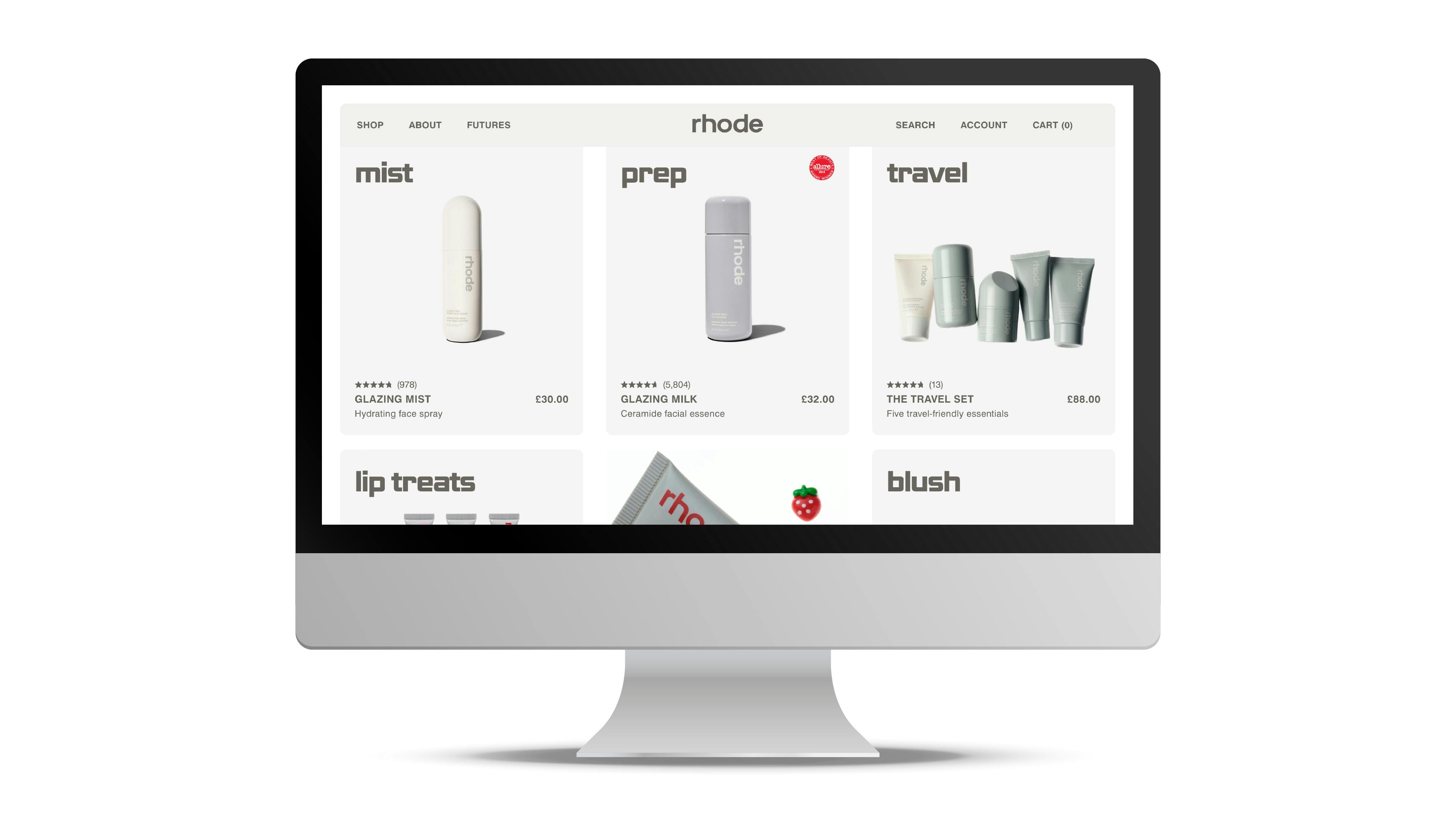

Every design decision - from the pared-back typography to the calm, product-focused photography - feels considered and deliberate. The absence of clutter becomes part of the luxury. It signals restraint, thoughtfulness, and trust, while making space for the product - and the person using it - to take centre stage. Rhode’s minimalist visual identity also mirrors the lifestyle it promotes: clean routines, self-care as ritual, and confidence rooted in effortlessness.
Even Rhode’s food-inspired social content reinforces this concept. By presenting skincare alongside everyday pleasures - a coffee, a croissant, a breakfast table - the brand cleverly anchors its products in the rhythm of daily life. It’s not about transformation; it’s about integration. Rhode positions skincare not as an indulgence, but as an essential part of wellness - as natural and necessary as nourishment.

The result is a brand experience that feels wholesome, intentional, and quietly indulgent. One that doesn’t just sell skincare, but embodies a lifestyle defined by calm, clarity, and care.
Kindred Black, by contrast, tells its story through visual richness and tactile luxury. Its website and social media channels feel more like a curated art gallery than a beauty retailer. Every image - from close-up product stills to atmospheric lifestyle shots - evokes a sense of craftsmanship and rarity. The brand’s use of soft natural light, rich organic textures, and slow, deliberate pacing invites you to pause and feel something. It’s a visual meditation on sustainability and beauty, translating the physical touch of hand-blown glass bottles and small-batch formulas into a digital experience.

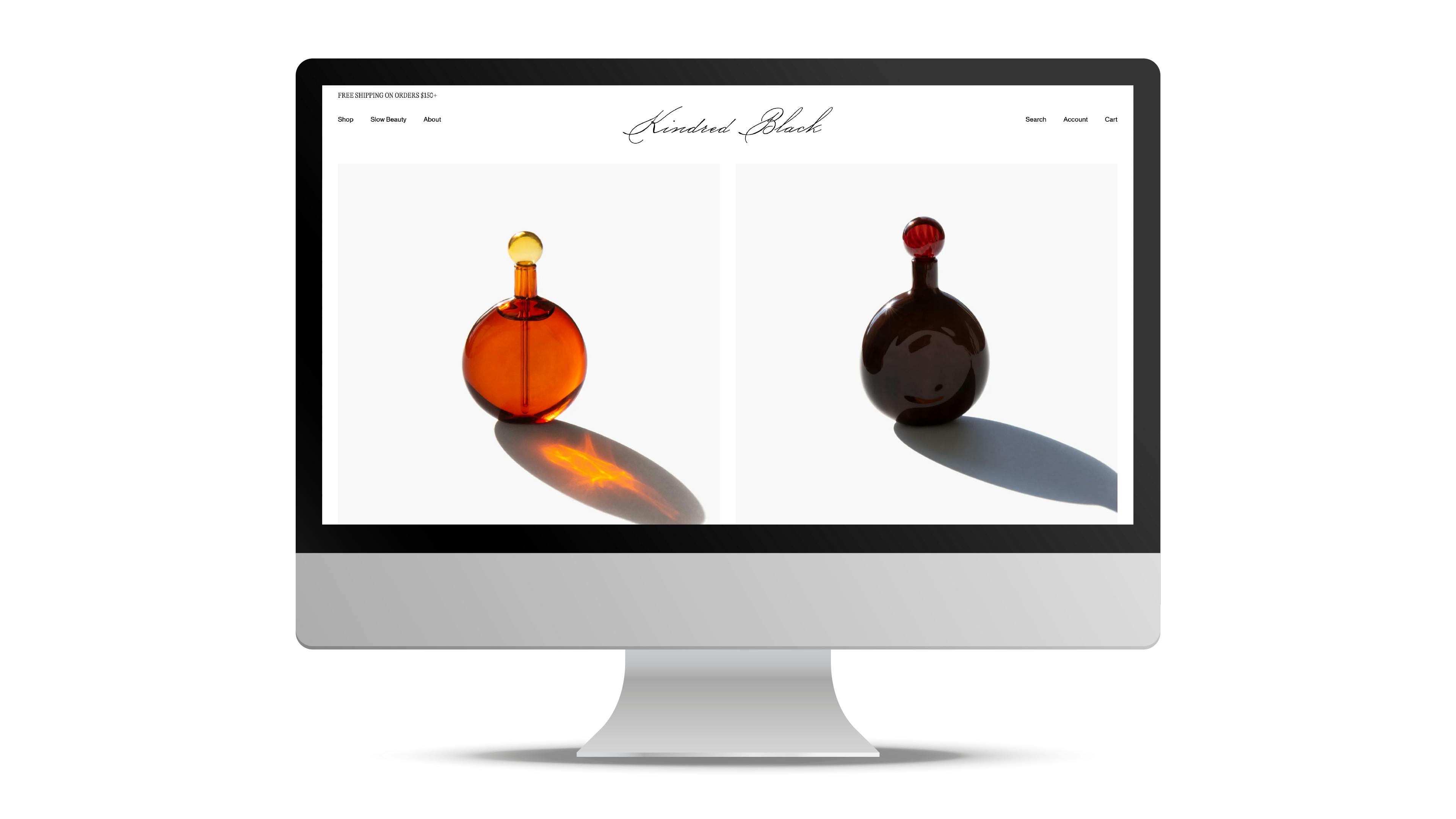
Where Rhode captures calm purity, Kindred Black embodies intentional indulgence — a modern alchemy of art, nature, and desire. Together, they demonstrate that visual storytelling in beauty branding isn’t about decoration; it’s about emotion. It’s the ability to make someone feel serenity, curiosity, or longing before they’ve even read the label.
Speak it real
Just as a person’s first words reveal something about their personality, a brand’s language immediately signals who it is - and who it’s for. In an industry as saturated as beauty, where established voices have long spoken in polished, aspirational tones, how a brand communicates can be its greatest differentiator. Tone of voice has become a tool for self-definition - especially for newer, disruptive brands seeking to challenge legacy players and speak directly to modern audiences who crave authenticity, confidence, and attitude.
e.l.f Beauty positions itself as a bold disruptor, and its voice embodies that promise. From the moment you land on its website, you’re met with playful confidence: “Let’s e.l.f.ing go,” “mic-drop prices,” and “jaw-dropping value.”

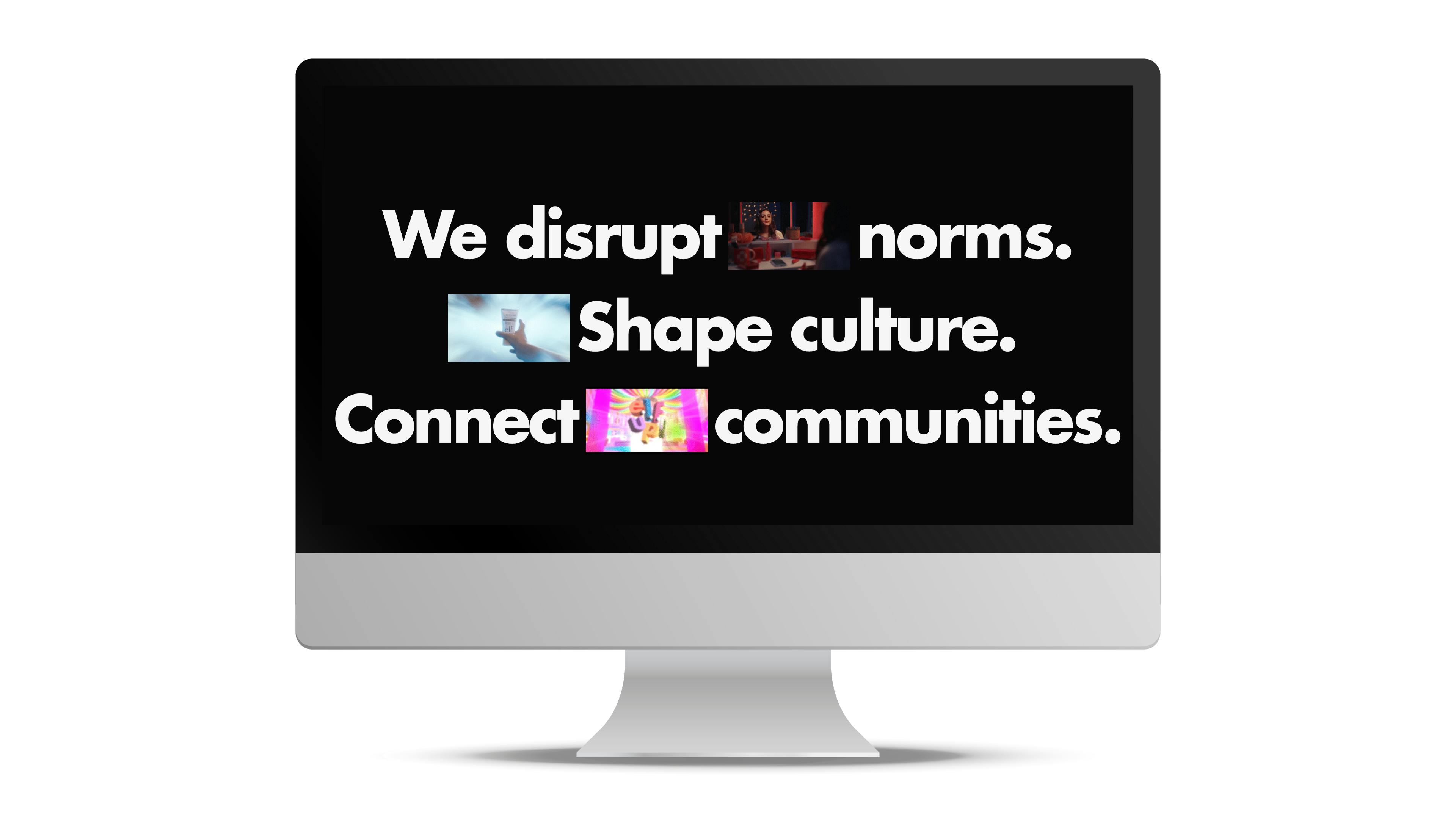
The language is punchy, informal, and unapologetically self-aware - designed to break convention and feel like it’s coming from a friend, not a corporation. Every line of copy carries rhythm and energy, mirroring the brand’s ethos of empowerment and accessibility.

It’s not about luxury; it’s about levelling the playing field - making high-quality products fun, inclusive, and affordable. This confident, meme-ready tone also makes e.l.f. instantly shareable across TikTok and social platforms where personality and wit outperform polish.
In contrast, Frank Body takes the idea of brand voice even further - personifying the brand itself. Its tone is cheeky, flirty, and deliberately provocative: “Stay naked,” “Use me,” “Touch babe.” This playful directness turns routine product messaging into conversation.


By giving each product its own “voice,” Frank Body creates a sense of intimacy - as though the brand is talking with you, not at you. The humour is light but purposeful: it disarms the customer, humanises the brand, and builds trust through honesty and personality rather than perfection.

This linguistic transparency mirrors the brand’s literal transparency about ingredients and sustainability. The result? A voice that feels raw, real, and relatable - a friend who knows what they want, and tells you so with a wink.
Both brands demonstrate how tone of voice is a sensory experience in itself. e.l.f. uses language that sounds like a collective rallying cry - energetic, inclusive, and empowering - while Frank Body leans into the tactile and sensual, using words that feel physical and emotional at once. One is about movement and momentum; the other about touch and connection.
Together, they prove that in beauty branding, voice isn’t just communication - it’s character. It’s how brands make people feel something before they even see or touch a product.
Ring their ears
Hearing is often the most underestimated sense in branding - yet it’s one of the most powerful. Sound reaches people on an instinctive level, bypassing logic and triggering emotion in a way visuals alone cannot. In a clinical or wellness environment, music and ambient audio are often the first cues that tell a visitor how to feel. The right soundscape can soften anxiety, signal professionalism, and create a sense of safety long before a consultation begins. In the same way, online, audio can be used to extend that sense of calm and connection - shaping how long someone stays, and how deeply they engage.
LUX is a strong example of a brand that recognises the emotional power of sound. Rather than relying on generic, royalty-free tracks, LUX developed its own audio identity - a curated set of compositions that translate its brand mission of empowerment into sound. Each track is designed to reflect confidence, femininity, and strength, using tempo, rhythm, and melody to evoke those qualities in the listener
Beyond aesthetics, this approach taps into neuroscience: when people hear sounds that align with a brand’s emotional promise, they’re more likely to remember and trust it. LUX also adapts these soundscapes to different markets, proving that sound can be both globally consistent and locally resonant - subtly shifting tone or instrumentation to reflect cultural nuance while maintaining brand integrity.
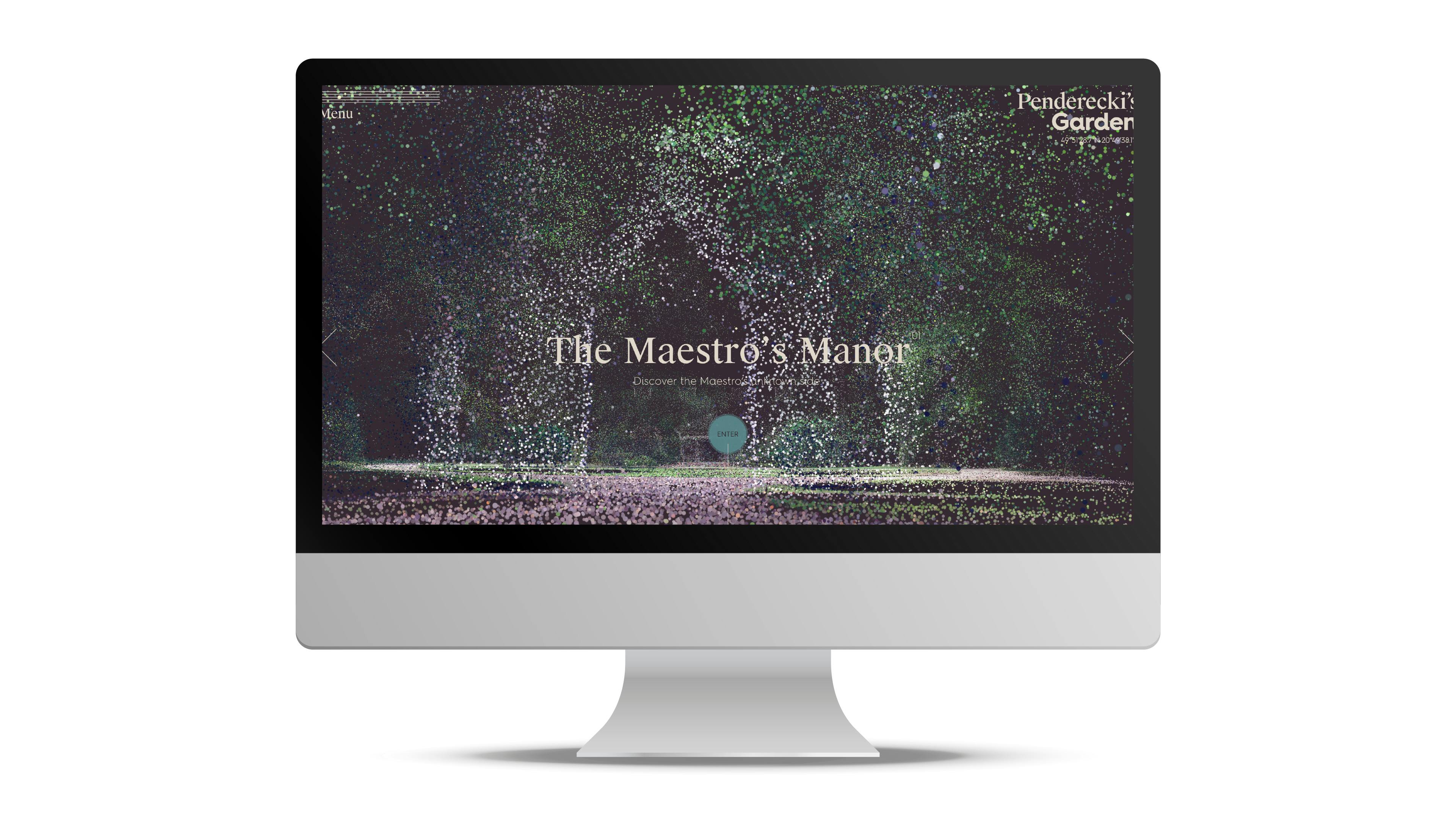
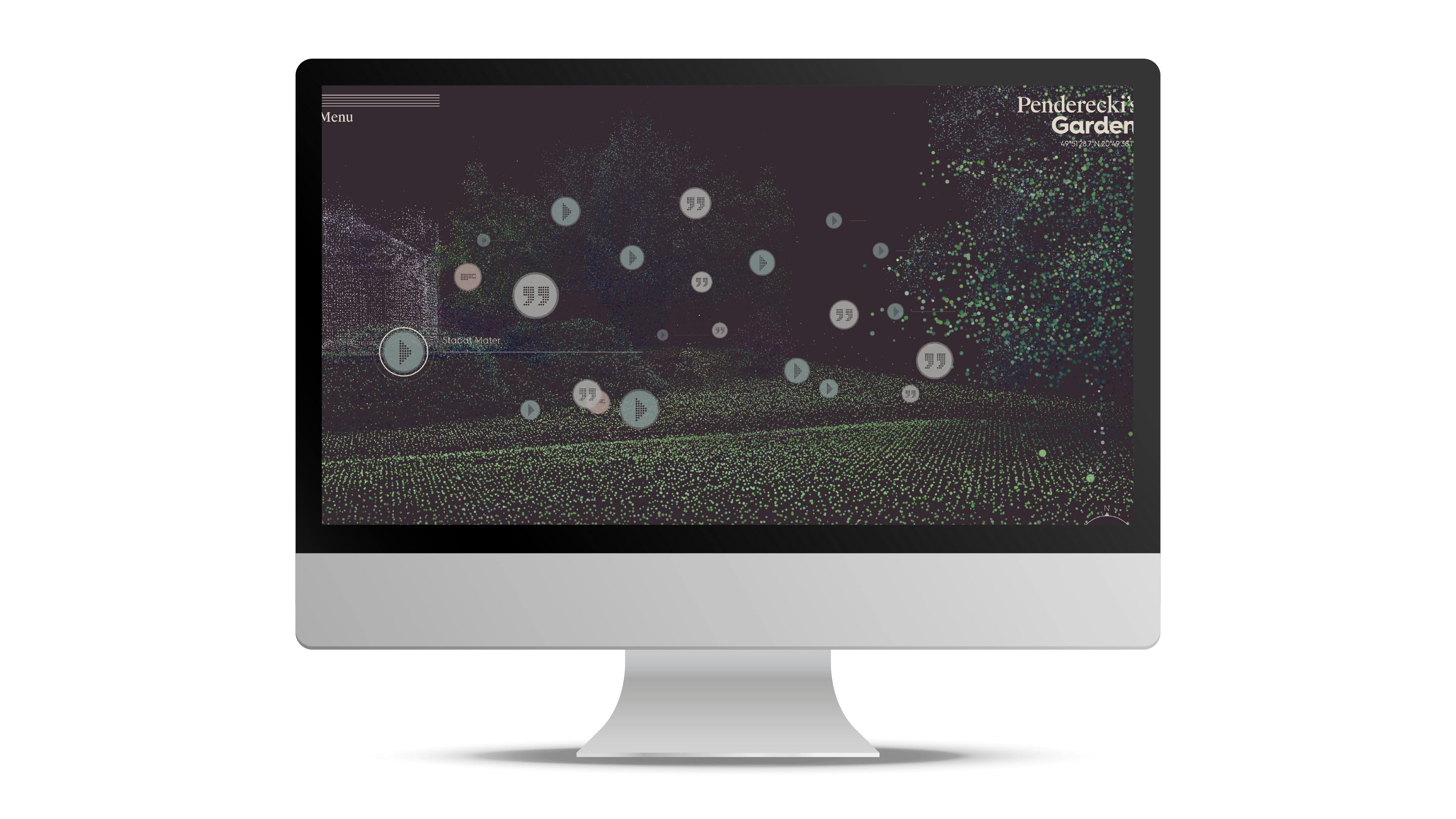
While not from the beauty sector, Penderecki’s Garden and the Akkers Van Margraten demonstrate how audio can transform digital interaction into immersive experience. These sites use sound not as background noise, but as a storytelling device. As visitors move through each page, the music evolves - responding to pace, scroll, and interaction.
> Experience their use of sound here
The result is an environment that feels alive, encouraging users to linger, explore, and emotionally connect with the narrative. In these cases, the sound does what good design should: it slows the visitor down, holds their attention, and creates a sense of discovery.
Applied to beauty and aesthetics, this sensory principle is deeply relevant. Just as a clinic’s lighting, scent, and décor are curated to create calm and trust, audio branding can extend that serenity into the digital realm. Whether through bespoke sound design in brand videos, subtle ambient layers on a website, or curated playlists in treatment spaces, sound can become part of the brand’s emotional signature. When done well, it not only evokes feeling - it lengthens attention span, deepens connection, and transforms a moment of browsing into a full sensory experience.
Stimulate all the senses
The way you awaken your clients’ senses should flow seamlessly from your marketing to your in-clinic experience. The visuals they see, the tone they hear, even the rhythm of your language - every touchpoint should feel like it belongs to the same story. Consistency builds familiarity, and familiarity builds trust - the foundation of every confident, long-term client relationship.
To complete the sensory journey, consider how the final two senses - smell and touch - can shape perception and emotion. The fragrance that greets clients as they enter, the textures of your furnishings, the feel of your treatment spaces - these subtleties anchor your brand in memory, creating a lasting sense of calm and care. When every sense aligns, your brand becomes more than a business - it becomes a feeling.
At Designmc, we help aesthetic and beauty brands turn that feeling into a signature - designing experiences that are seen, heard, and felt.
If you’re ready to build deeper emotional connection through your brand, we’d love to collaborate.
Call us on 01926 754038 or email hello@designmc.org to start awakening the senses behind your brand.
LET’S TALK
Looking to realign, refresh or redevelop your brand or business marketing strategy? Send us an email at hello@designmc.org or, give us a call direct on 01926 754038 for an informal chat.