The Gen Z Playbook: Modern rules for modern brands
Born between 1997 and 2012, Gen Z now makes up nearly a quarter of the global population - and they’re no longer just the “next generation.” They’re earning, spending, influencing, and redefining what it means to be a modern consumer.
Millennials may have shifted the landscape, but Gen Z is rewriting the rules entirely. They’re true digital natives shaped by turbulent times, hyper-aware of their wellbeing, and fluent in the fast-moving language of online culture. They slay. They ijbol. They set trends before most brands even spot them.
And if brands want to matter to this generation, they need to move fast. From first touchpoint to checkout and beyond, the expectations have changed... radically.
What do Gen Z want?
To appeal to Gen Z, brands need to understand exactly what they value, their needs and desires. Such as...
1: Authenticity Over Perfection
Gen Z has grown up in an era where misinformation is the norm, not the exception. With 63% saying they’ve been misled by brands before, their scepticism isn’t a personality trait - it’s survival instinct. Their “fake radar” is razor sharp, and the moment something feels exaggerated, airbrushed, or conveniently omitted, they’re gone.
This generation doesn’t want perfection. They want truth.
Raw, unpolished, human truth.
They gravitate toward brands that show what’s real: candid visuals, unfiltered behind-the-scenes moments, genuine voices from employees and customers. Vulnerability isn’t a weakness to them - it’s proof you’re not hiding anything.
And because they research relentlessly before buying, brands need to make transparency effortless. Clear facts. Straightforward ingredients and processes. Honest results. Visible pricing. No smoke, no mirrors, no corporate gloss.
If you want Gen Z’s trust, give them the full picture - and let them decide for themselves.
2: Opportunities For Self-Expression
Gen Z isn’t looking for brands to simply catch their attention. They’re looking for brands that ignite something in them. For this generation, every purchase is a statement: about their lifestyle, their identity, and how they choose to show up in the world. If they can’t see themselves in a brand, they won’t buy from it. It’s that simple.
This is where many businesses fall short.
Gen Z doesn’t want curated diversity or performative inclusion. They want brands that genuinely live it. Brands that reflect real people, real voices, and real experiences. Brands that make space for individuality rather than forcing everyone into the same polished narrative.
If your brand doesn’t offer opportunities for self-expression - through authentic representation, meaningful inclusion, or user-driven content - Gen Z will move on to one that does.
3: Protection For Their Wellbeing
Gen Z is the first generation to unapologetically put their wellbeing above everything - careers, relationships, and even social expectations. They’re “sober curious,” choosing workouts over wild nights, and 63% of single Gen Zers say they prioritise self-care over finding a partner. For them, wellbeing isn’t a trend; it’s a non-negotiable.
And this mindset extends to the brands they choose.
If your brand uses pressure, fear, or exaggerated urgency, Gen Z won’t bite - they’ll walk away. This generation is actively filtering out anything that disrupts their emotional balance or adds noise to their mental load.
- They want brands that feel safe.
- Brands that soothe, not stress.
- Brands that support their growth, not exploit their insecurities.
Beyond physical health, mental balance and emotional safety are essential. This means brands that use shock or pressure tactics are unlikely to be successful. Instead, they should focus on giving younger customers a calm, kind experience that benefits their mood and enhances their personal growth.
4: Alignment With Their Values
For Gen Z, buying from a brand isn’t a transaction, it’s a declaration. When a brand aligns with their values, it becomes a signal to the world: these are my people. Nearly six in 10 Gen Z consumers feel connected to others who use the same brands they do. And almost half admit they judge people based on the brands they buy from.
That’s how powerful value alignment has become.
It’s also why “cult brands” have exploded in recent years. These brands don’t just sell products, they build movements. They unite people around shared beliefs, shared behaviours, and shared identity. They make customers feel like they belong to something bigger.
But here’s the challenge:
You can’t fake this. Gen Z sees straight through performative values and hollow statements.
To earn their loyalty, brands must actually live the values they promote - every day, in every touchpoint. That means meaningful dialogue, genuine two-way connection, tapping into niche passions, listening deeply, and acting on what customers care about.
5: Quality Experiences
Most 21 to 35-year-olds prioritise live experiences over material goods. This spending is resilient despite the cost of living crisis. As luxury brands have already discovered, creating memorable, story-driven experiences enhances the value of services and products in the eyes of Gen Z customers.
Make them feel part of something special. Consider the emotions your customers experience at different touchpoints. Evoke all the senses at real-life events or in store. By creating a consistent atmosphere and feeling whenever your brand interacts with Gen Z customers, you’ll capture their imagination as well as their attention.
6: Speed, Ease and Digital Savviness
If your website is slow, clunky, or looks like it hasn’t evolved in the last five years, Gen Z won’t stick around - they’ll bounce within seconds. For this generation, digital isn’t a channel. It’s their environment. Online shopping, researching, booking, comparing - it’s all instinctive, and it all happens at speed.
A mobile-first, high-performance website is no longer a nice-to-have.
It’s the bare minimum.
Your digital experience is now your most important storefront. If it isn’t fast, intuitive, visually current, and effortless to use, you’re signalling to younger customers that you’re out of touch.
To earn their trust, your website must be:
- Lightning-fast
- Designed for mobile-first journeys
- Easy to navigate, with zero friction
- Clear, personalised, and intuitive
- Seamlessly integrated with booking and checkout flows
Convenience, speed, clarity, and personalisation are the new determinants of credibility. If your digital experience doesn’t meet these expectations, Gen Z won’t give you a second chance.
Which brands are meeting zommers' needs?
You know what Gen Z wants, now you just need to know how to deliver it.
Joy By Sophie
Joy by Sophie - a nurse-led, queer-affirming and neurodivergent-friendly aesthetics clinic - is a standout example of how modern brands can align with Gen Z values from the very first click. The moment you land on the website, its community-driven ethos is unmistakable. The bright, vibrant visual identity, paired with a warm, disarmingly honest tone of voice, creates an atmosphere of safety, visibility, and belonging... exactly what Gen Z expects from the brands they choose to trust.
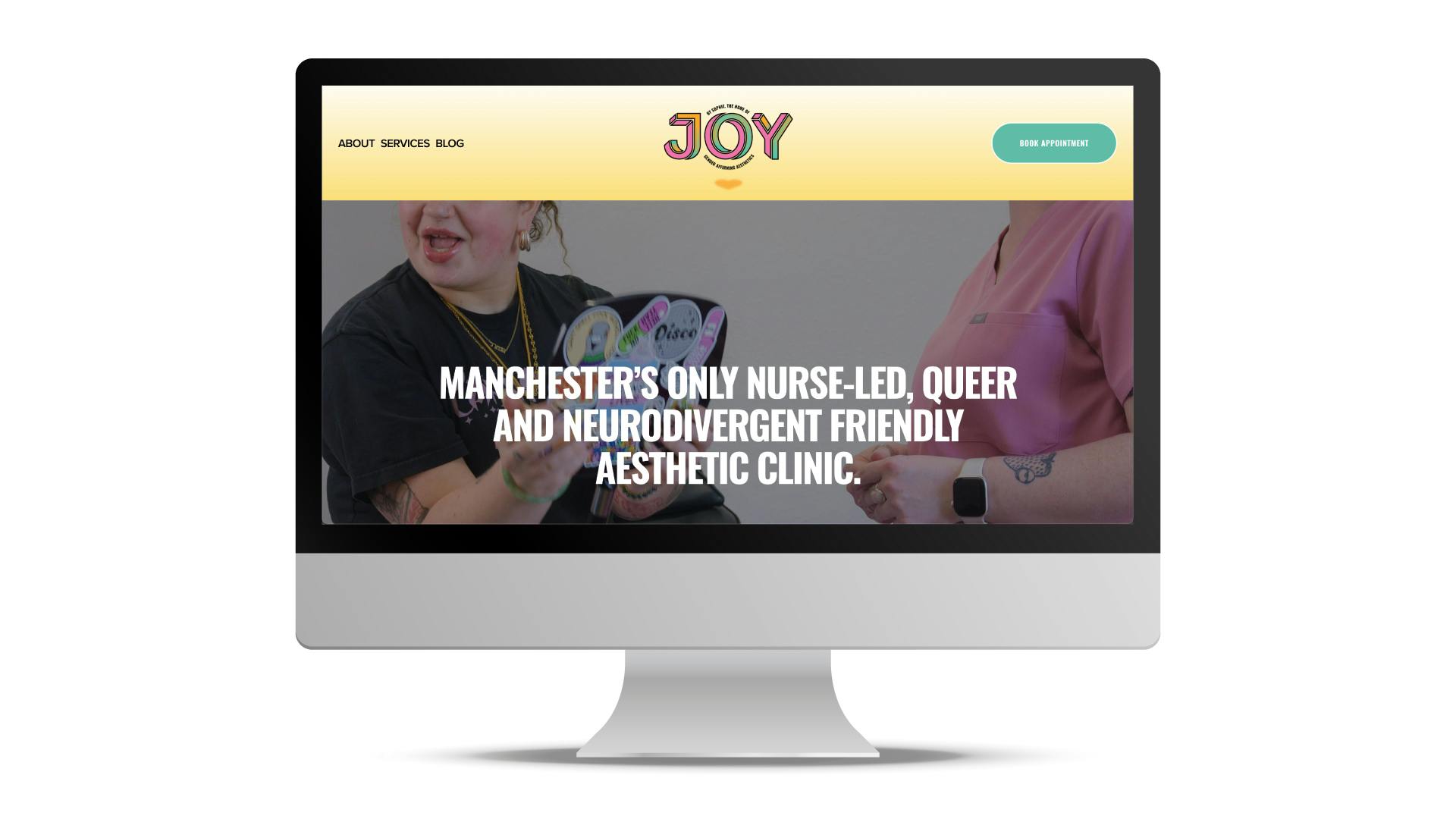
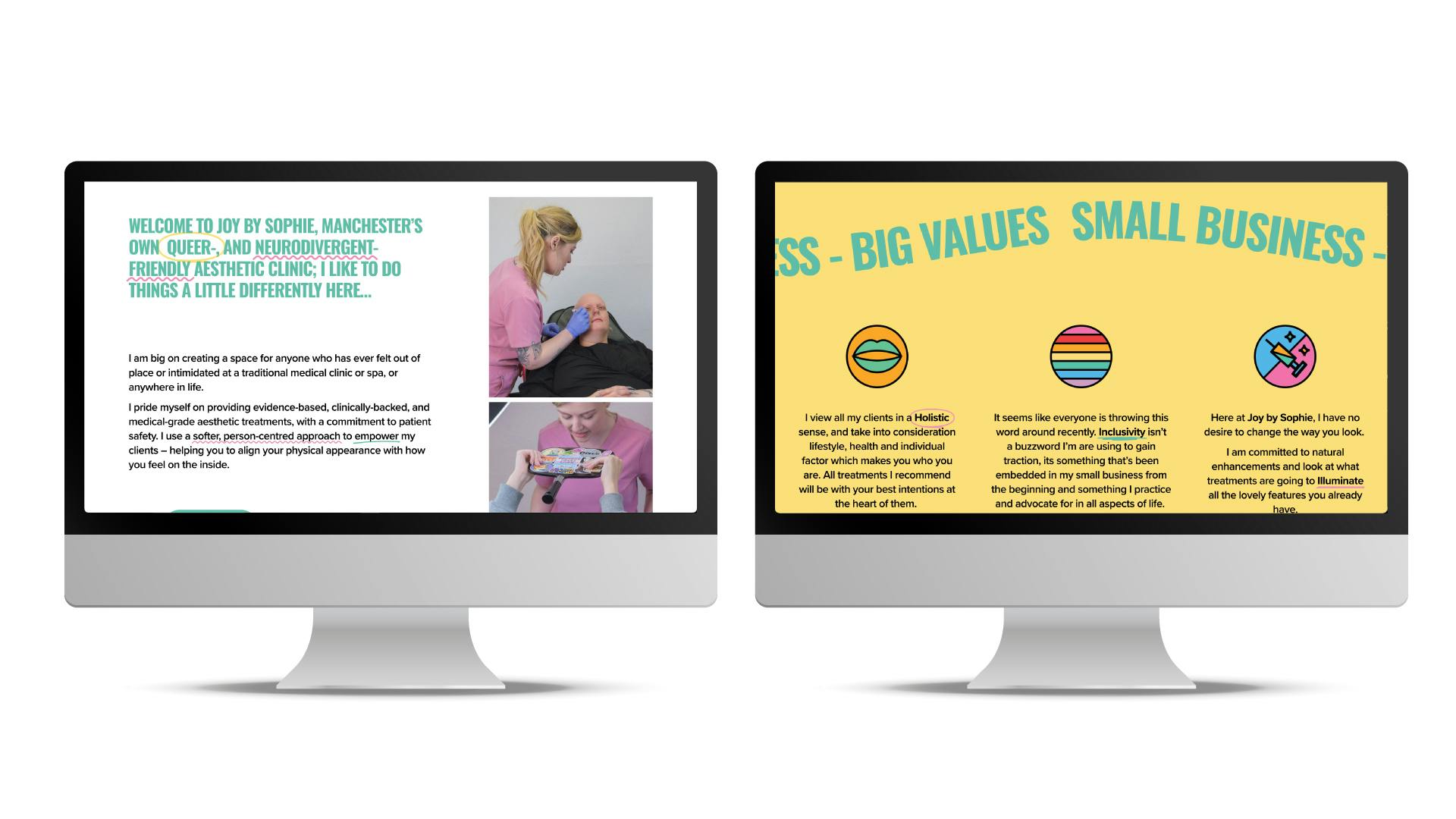
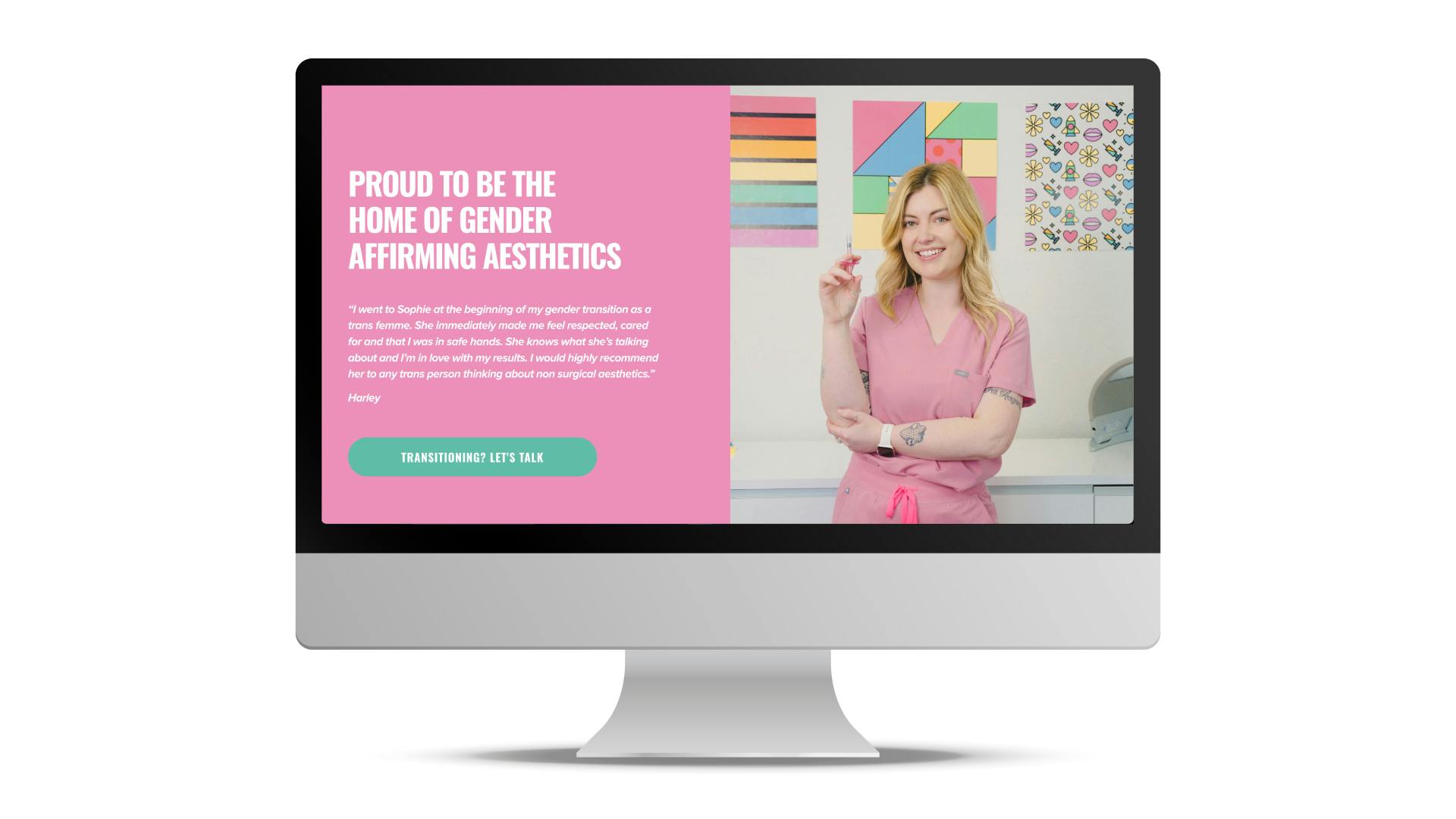
What makes Joy by Sophie particularly powerful is that it doesn’t rely on performative messaging. It lives its values.
The site is designed to be clear, calm and easy to navigate, making it genuinely accessible for neurodivergent users. Its colourful, soft, defiantly non-clinical aesthetic rejects the sterile norms of traditional aesthetics brands, positioning the clinic as a true challenger in the market. It’s unapologetically inclusive, openly queer-friendly, and vocal in empowering patients who often struggle to find clinics that feel safe or welcoming.
For Gen Z - a generation driven by identity, representation, and values-led decision-making - Joy by Sophie embodies what a modern aesthetics brand should be: authentic, accessible, distinctive, and unafraid to stand firmly for the people it serves.
It doesn’t just communicate its values;
it builds an experience around them - and that’s exactly why Gen Z pays attention.
Uniglo
Uniqlo is a powerful case study in how a legacy global brand can reinvent itself to meet the expectations of a new generation. After a slow initial uptake with Gen Z, the brand has undergone a quiet but deliberate shift - redefining its values, product philosophy, and communication style to align with what younger consumers truly care about.
Rather than chasing micro-trends or leaning into fast fashion tactics, Uniqlo has doubled down on a message that resonates deeply with Gen Z: functional simplicity, authentic purpose, and clothing that adapts to real life.
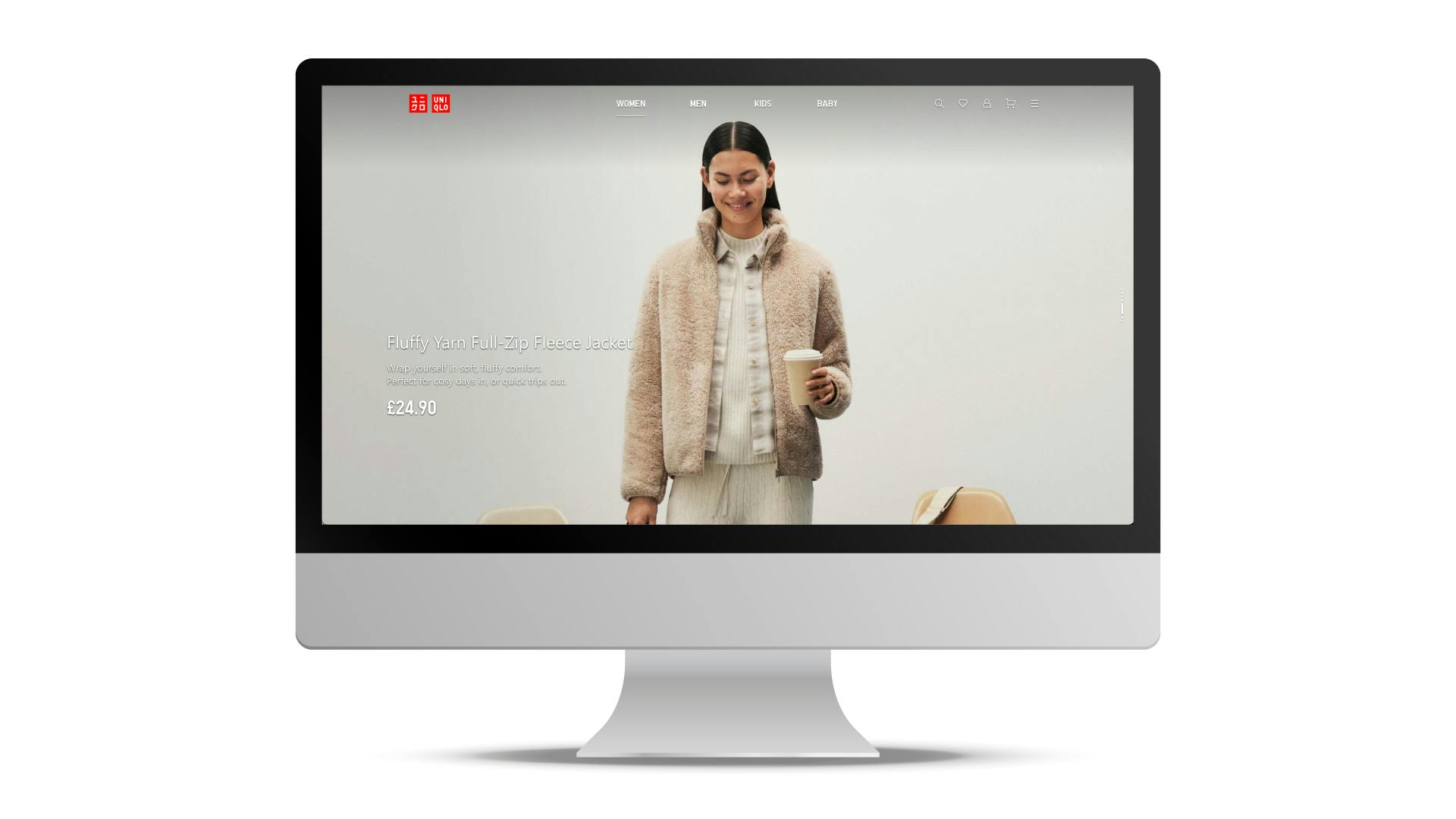
Recognising Gen Z’s preference for versatility and value, Uniqlo’s product teams now focus on designing pieces that fit multiple contexts - like creating outfits young women can wear from the office to evening plans, blurring the line between professional, casual, and social wardrobes. It’s utility with intention, and it speaks directly to a generation that prioritises practicality without sacrificing self-expression.

Uniqlo’s repositioning goes beyond product design. The brand has embraced a set of Gen Z-aligned strategies, including:
- Two-way product development. The brand actively integrates customer feedback into its design process, positioning shoppers not just as buyers, but as collaborators. This open dialogue makes Gen Z feel heard and valued.
- Hyper-local segmentation. Uniqlo tailors both its product lines and social media content to individual regions and markets, allowing them to speak more directly to the specific lifestyles, climates, and cultural nuances of local Gen Z communities.
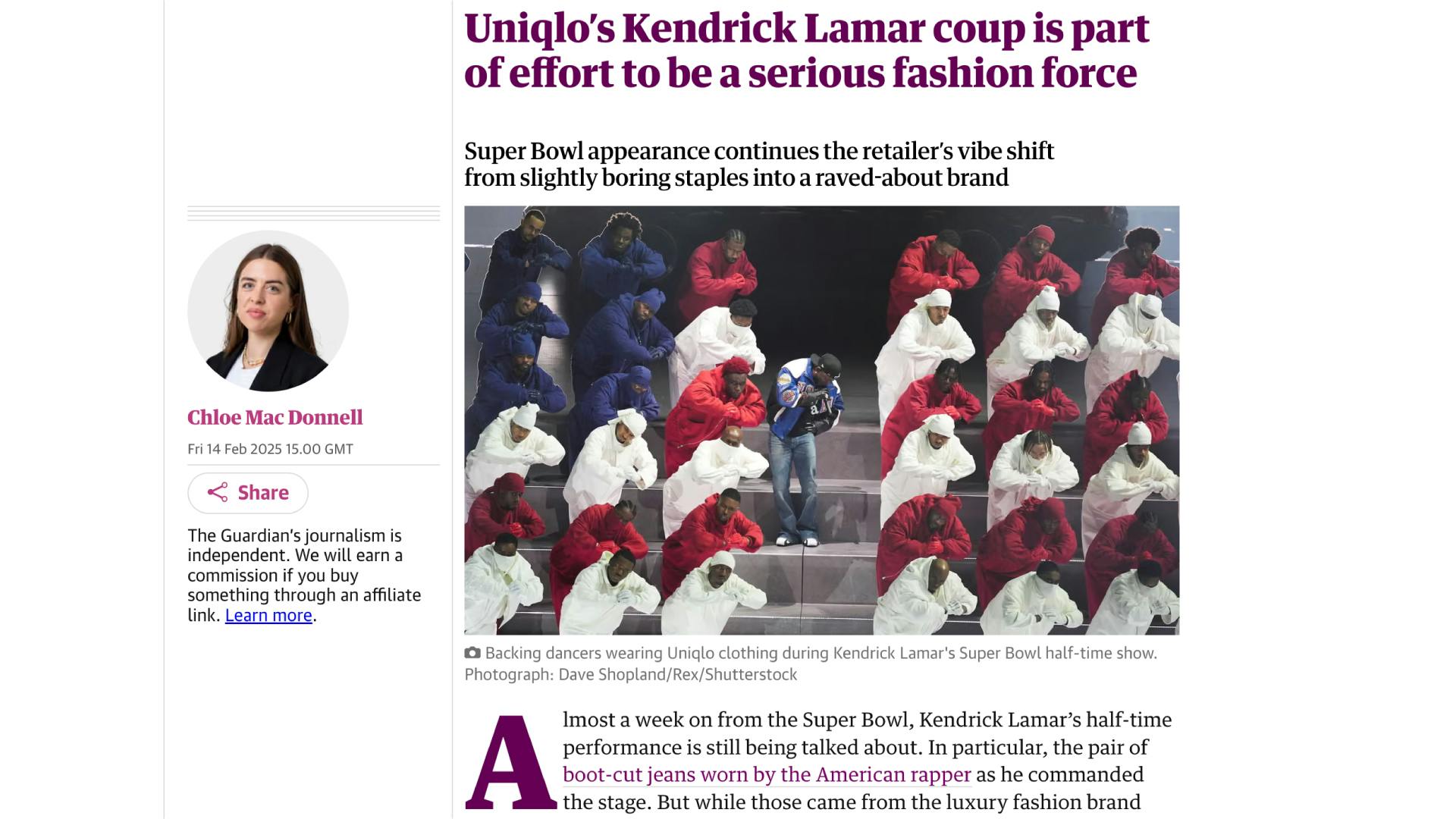
- Amplifying UGC and understated influencer ties. Instead of loud, performative campaigns, Uniqlo encourages user-generated content and partners subtly with major figures like Kendrick Lamar. The result: cultural relevance without compromising the brand’s minimalist aesthetic.
- Transparent storytelling. Uniqlo has increasingly spotlighted its supply chain, ethical commitments, and sustainability efforts. This shift toward transparency aligns perfectly with Gen Z’s demand for brands that have purpose and can prove it.
What’s remarkable is that Uniqlo hasn’t abandoned its DNA - it has evolved it. By leaning into clarity, consistency, and quiet confidence, the brand now feels more relevant than ever.
Uniqlo’s success with Gen Z demonstrates a crucial truth: modern brands win not by being louder, but by being clearer, more intentional, and more connected to the lives and values of their audience.
The Next Generation Is Here. Is Your Brand Ready?
Winning the attention - and trust - of Gen Z isn’t about a gimmick, a new colour palette, or chasing whatever’s trending this week. It’s about stepping into the future with intention. It’s about shaping brands, websites, and marketing experiences that are human, transparent, digitally effortless, and genuinely aligned with the values of the fastest-growing customer group in the world.
For many businesses, making that leap can feel overwhelming. But the brands that will thrive in the next decade are the ones willing to evolve now... before the market forces them to.
At Designmc, we help forward-thinking businesses redefine their brand relevance, elevate their digital presence, and realign their marketing for the expectations of Gen Z and beyond. Whether you need to refine your brand, rebuild your website for modern customer behaviours, or reposition your marketing for long-term growth, we’re here to guide you every step of the way.
If you’re ready to modernise your brand and future-proof your business for the next generation of customers, we’d love to be part of that journey.
Call us on 01926 754038 or email hello@designmc.org - and let’s build the version of your brand that tomorrow’s customers will choose.
LET’S TALK
Looking to realign, refresh or redevelop your brand or business marketing strategy? Send us an email at hello@designmc.org or, give us a call direct on 01926 754038 for an informal chat.